Case Study
HER Insurance
Aditya Birla Sun Life Insurance
Scroll
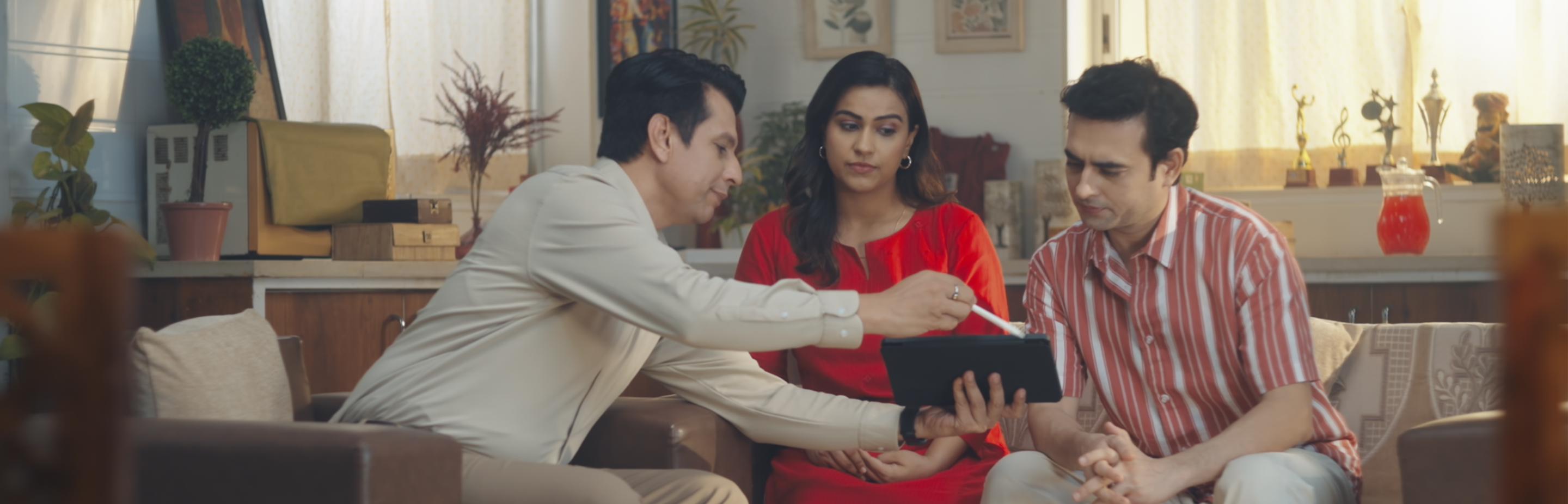
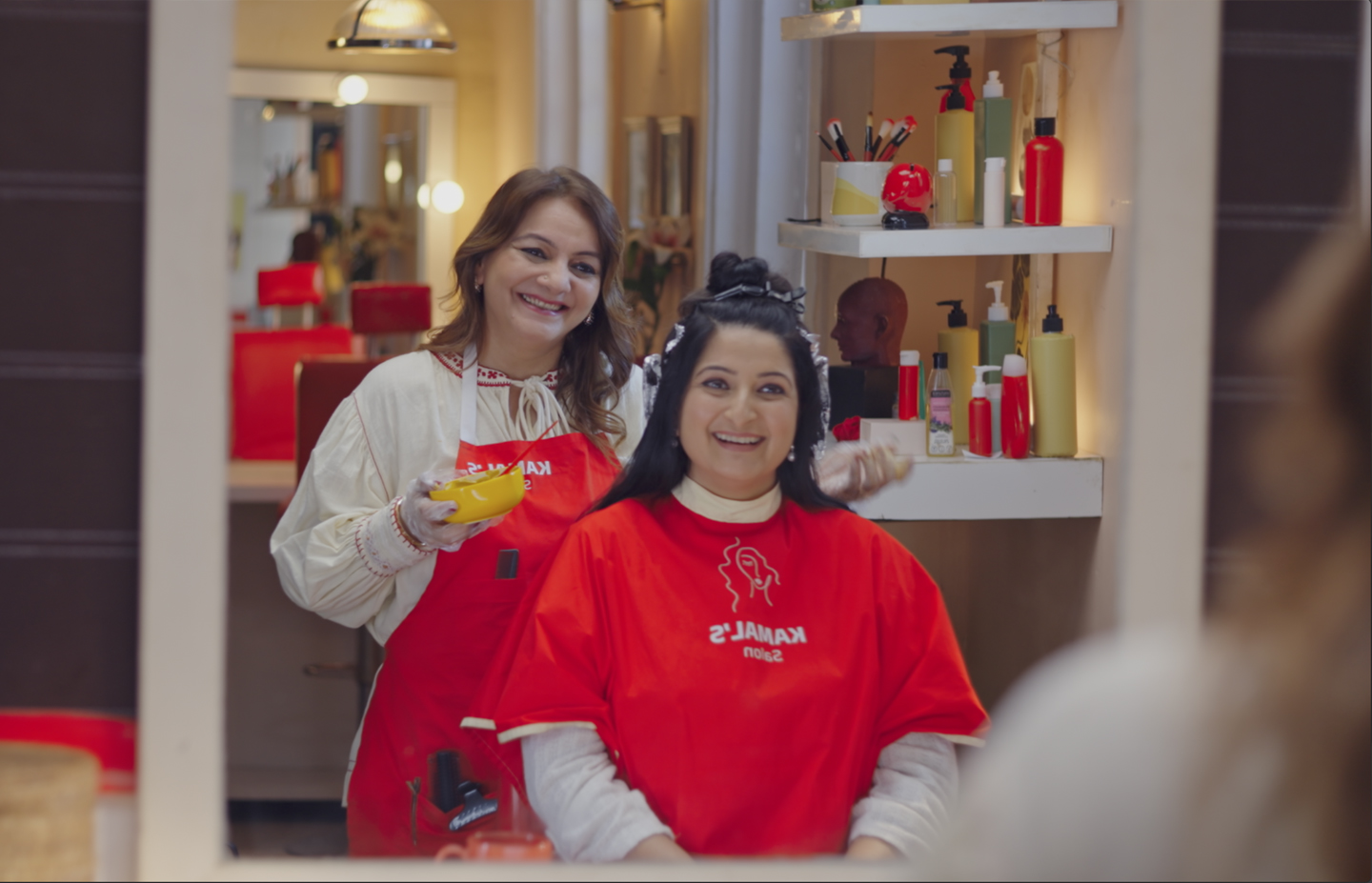


HER Insurance arrived as something rare in our experience: not a brief to communicate a product, but an invitation to help build one. ABSLI had recognised a structural absence in the Indian insurance market — women, whether earners or not, had been largely invisible to a category that was designed around men. The mandate was to change that, and to change it fundamentally, not cosmetically.
We came into this engagement with an established relationship. Having worked with ABSLI on 'Boodhe Hoke Kya Banoge' and on Farhan Akhtar's 'Ye Akela Hi Kaafi Hai' campaign, we had already demonstrated the kind of strategic and creative partnership that goes beyond execution. That trust was the reason we were brought in at the conceptualisation stage itself — before the product had taken shape, before a single feature had been defined.
The research process was immersive and deliberate. One-on-one conversations with a large, diverse group of women across multiple tiers and life stages. Not focus groups offering generalised responses, but deep conversations that uncovered how differently an Indian woman's life actually unfolds — the compromises made at marriage, the career pauses taken for family, the phases of financial dependence and hard-won independence, the health transitions that no standard insurance product had ever addressed as a primary concern.
From that research emerged an insight that was at once obvious and completely overlooked: insurance in India had always been designed around a linear, male-defined life arc. A woman's life doesn't work that way. It moves in phases, in pivots, in trade-offs. Any product genuinely built for her would need to follow that arc — to flex with her life rather than ask her to fit into a product designed for someone else's.
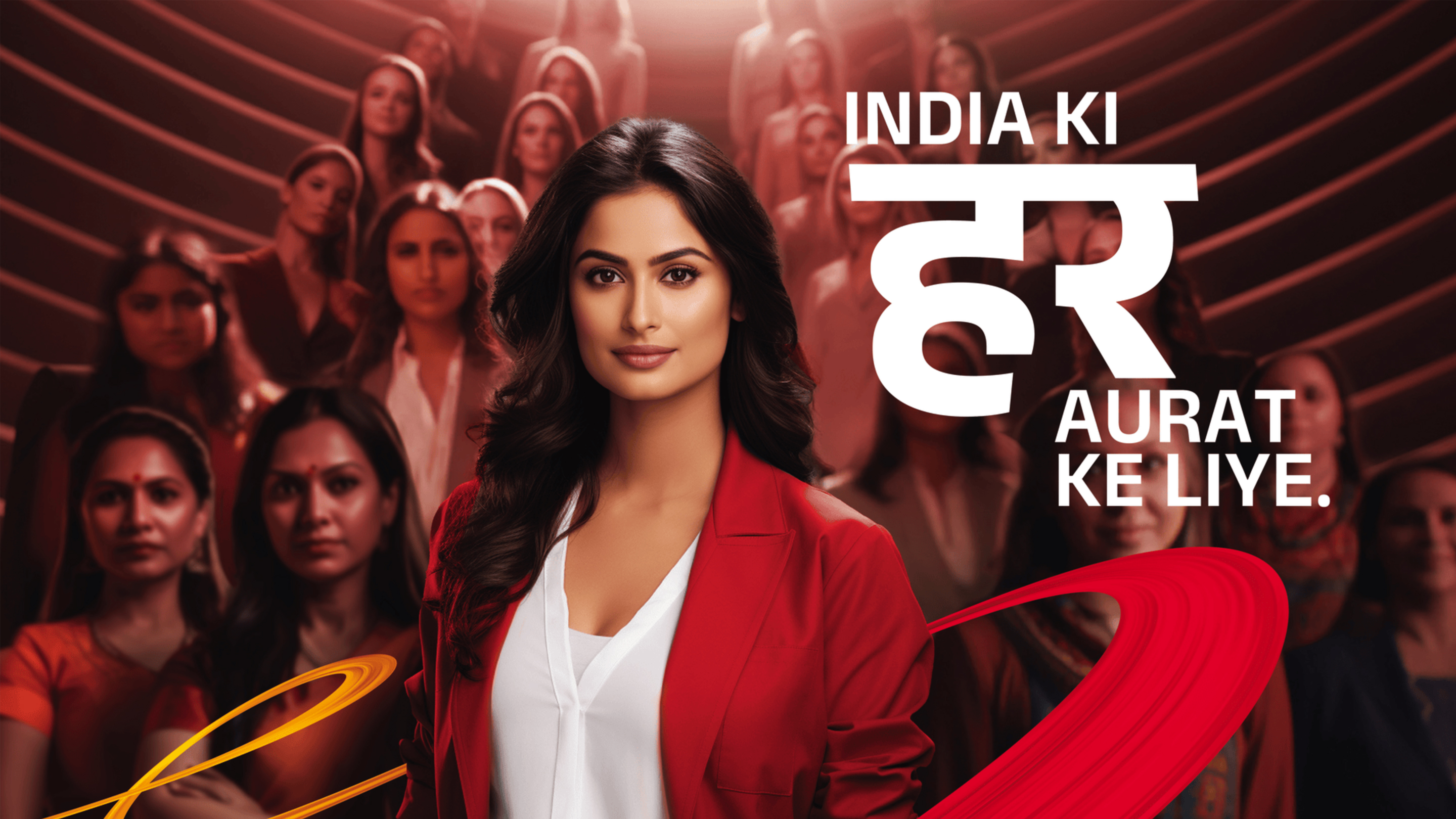
The naming came from within the idea itself. The product was for all women — for 'har' aurat. And in that Hindi word for 'every', we found the English acronym that gave the product its identity: HER Insurance. India Ki Har Aurat Ke Liye. The name was not a creative flourish applied over a strategy — it was the strategy made audible. A statement of intent and a promise of belonging, simultaneously.
Getting the product approved required navigating legal teams and regulatory bodies through multiple rounds of review. The revolutionary nature of the features and riders meant that nothing could be assumed or expedited. Every step required justification and patience. The end result was worth it — a genuinely first-of-its-kind insurance product in the Indian market, built from insight rather than convention.
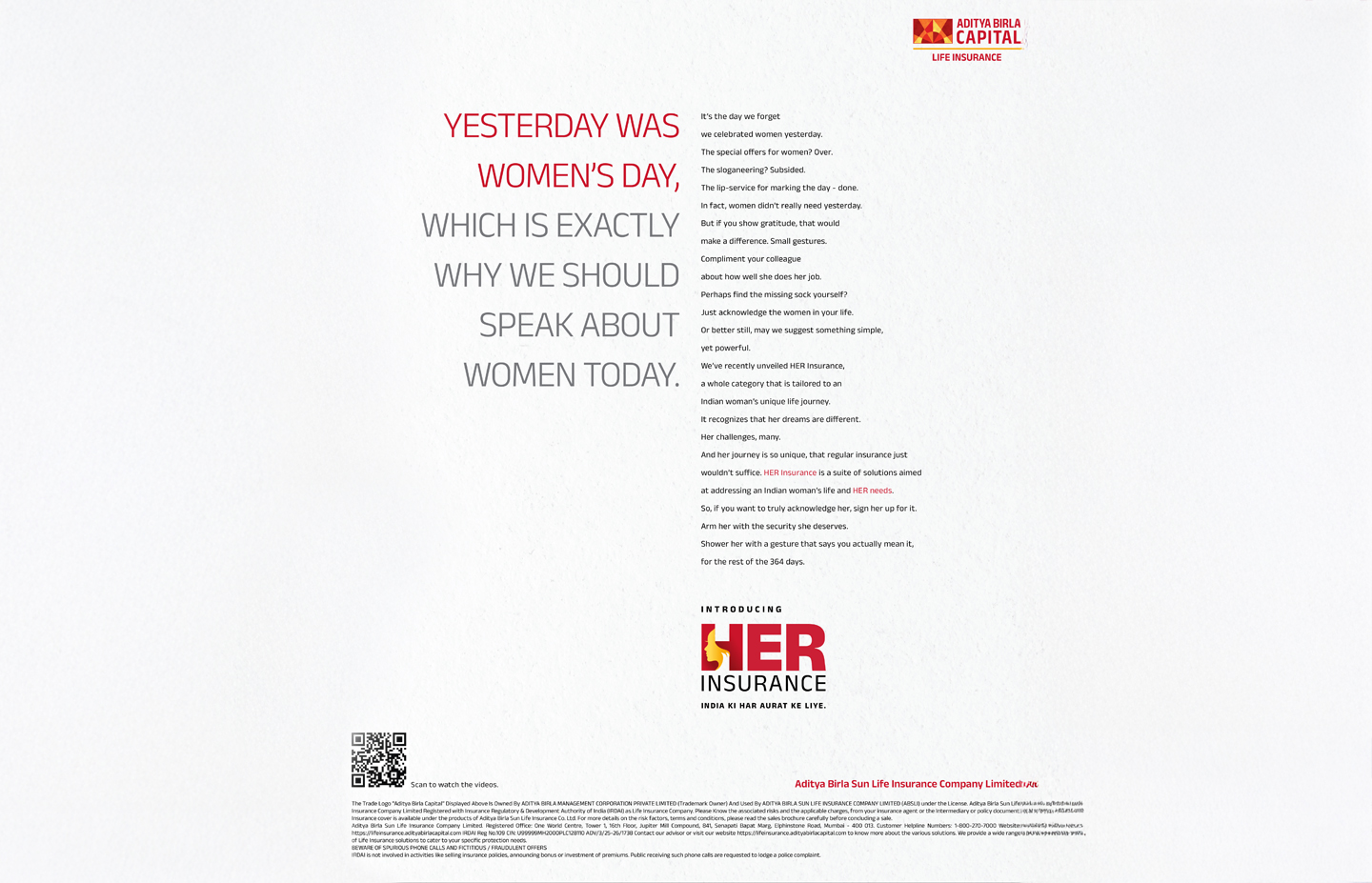
The launch strategy was the final creative act. Women's Day was the obvious moment. We chose to ignore it. Every brand with even a passing interest in being seen as women-friendly launches something on March 8th — a campaign, a message, a discount, a hashtag. The noise is enormous and the signal is lost. We launched on March 9th. The day after. The day the world had already moved on. The print ad landed into that silence and said something direct: real support for women doesn't end when the celebration does. It requires action, commitment, and a product that actually walks with a woman through her life. The response — from women who felt seen, from media that recognised the intelligence of the timing — confirmed that the best creative decision is often the one that refuses the obvious.